Fentanyl Decontamination
Rooms, vehicles and exposed surfaces receive decontamination following fentanyl exposure.
See fentanyl decontaminationGet meth residue testing, decontamination, material removal and clearance steps for a home, rental, business or vehicle in Optimist Park. Keep people out of affected areas until the property has been assessed.
Meth lab cleanup tests for contamination and removes or cleans it after methamphetamine residue or chemicals from drug production affect a residence, rental property, workplace or vehicle.
Visible dirt is not required for meth residue to be present. Smoke from meth may deposit it across ceilings, appliances, walls, personal belongings, cabinets and floors. Where production occurred, fuels, acids, salts, solvents and unidentified mixtures may also remain. Before containers are moved or routine cleaning begins, those hazardous substances require careful assessment.
Biohazard remediation needs to reflect both the property's testing results and the rules at its location. The affected zone is isolated by cleanup technicians using protective equipment. Uncleanable material comes out, while surfaces left in place are washed and the air system receives attention as needed. Post-remediation sampling shows if the applicable clearance level has been met in the tested areas.
Containment zones paired with clean routes reduce the spread of dust, equipment and contaminated materials into other parts of your building.
A written plan issued before remediation starts should list removal decisions, the testing basis, clearance steps, affected areas and cleaning methods.
Belongings are considered by material and condition, so you know what may be cleaned and what may need to be discarded.
Your cleaning service should organize images, scope records, test reports and disposal documents, helping you move forward once clearance is complete.
Meth decontamination cleaning services are needed when testing or reliable property history points to residue from use or production. Every situation starts with the property history and testing results. Common situations include:
Law enforcement has released a property where meth was produced, and chemicals, stained materials or residue may remain in several rooms.
Residue may be present on seats, carpet, trim and ventilation surfaces inside a car, truck or recreational vehicle.
Repeated smoking has left invisible residue on walls, ceilings, cabinets, floors and household contents.
A landlord or manager who learns of possible drug activity after a renter leaves needs testing ahead of repairs or another tenancy.
Before professional cleanup, focus on keeping people from exposure and residue from moving beyond the affected space. Take these actions:
Call (888) 440-9227According to published PushLeads cost data, the broad range for meth lab cleanup begins at $5,000 and extends through $120,000 while the typical average sits between $15,000 and $20,000. Such a wide span reflects the difference between ongoing smoking in one space and chemical manufacture across the property. Local clearance rules, testing, air-system treatment and material removal further shape the final scope.
These national ranges are taken from published cost guides, rather than a property visit. After an on-site assessment, the price for your property is determined and shared with you before cleanup begins.
Ask about cost: (888) 440-9227Coverage for meth contamination depends on both the cause and insurance policy, which may exclude pollution, vacancy, criminal acts or contamination. Report what was found and ask about available insurance assistance. Before approving work that is not an emergency, request the coverage decision in written form.
After law enforcement preserves evidence and releases the site, the property owner typically needs to set up environmental assessment and remediation.
Store the police release, lab findings, photos, remediation scope, disposal documents, invoices and clearance report in one place.
Property owners will usually arrange assessment and decontamination at a rental. Seeking reimbursement from the renter is a different matter from restoring safe property conditions.
Explain to the insurance company how you found the contamination. Ask the insurer if benefits apply to tests, decontamination, material removal and loss of use.
A measured sequence is used for the meth lab cleaning process. Each part must align with the property's assessment, its plan for testing and the local clearance rules that apply.
Before beginning work, ask cleanup technicians to explain how they evaluate ventilation, possible routes of contamination, property history, the room layout, police release and visible hazards.
A baseline and the affected areas can be established through surface sampling. The relevant local procedure should guide where and how samples are collected.
The scope document covers final clearance procedures along with plans for contents, surface cleaning, material removal and containment.
Clean spaces remain isolated from the work zone. Protective gear for cleanup technicians must match the dust, chemical risks and residue discovered at the property.
Carpet, pad, soft furnishings, insulation or damaged building materials may be removed and prepared for waste disposal when they cannot be cleaned to the required level.
Crews follow an orderly process and select suitable techniques for every remaining floor, cabinet, wall, fitting and ceiling surface.
Movable contents and the HVAC system receive separate evaluations. Depending on test evidence and physical state, contents may be decontaminated, set apart or thrown away.
Final sampling follows completed cleaning and determines if the property needs more work before people return.
You can call anytime. A meth lab cleanup specialist answers, explains the steps and agrees a start time with you.
Serious health risks may remain at a former meth property, even without a strong smell. Exposure can occur from residual production chemicals, skin contact or contaminated dust.
Children and animals touch floors and objects often. Excluding them from the affected area limits contact until testing and remediation are complete.
Residue may land on toys, worktops, flooring, walls and other high-touch belongings. A normal-looking surface may not meet the required level for clearance.
Unknown liquids, powders and unmarked vessels can react, burn or cause corrosion. Do not sniff, open, mix or place them with domestic garbage.
Can you clean it yourself? Do not treat suspected meth contamination as a small household spill. You cannot use domestic cleaners to measure residue movement or verify that a surface passes the local clearance standard. The safer approach starts with tests and a plan specific to meth remediation.
Keeping any material depends on two conditions: the remediation plan must approve its cleaning, and the completed area must be capable of passing required clearance.
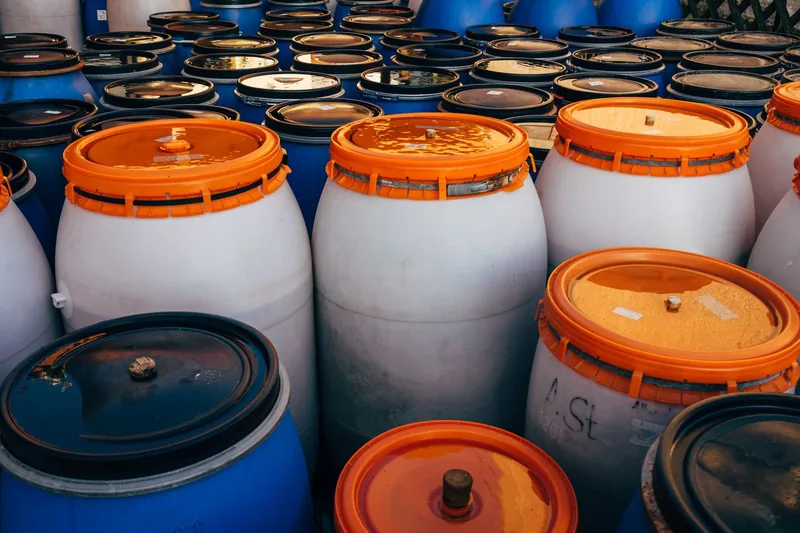
A limited-area meth lab cleanup may require several workdays, while remediation at a larger production location can last several weeks. Room count alone does not set the timing. Clearance sampling, laboratory turnaround, repeated rounds of cleaning and material removal have greater influence.
| Scene | Typical time on site |
|---|---|
| A small area with limited residue | Several days of work, plus time for laboratory processing |
| Several rooms or HVAC involvement | Often one to several weeks |
| Former production site with chemical damage | Could require several weeks plus multiple clearance rounds |
You cannot rely on odor to test for meth. Surface contamination may exist when almost no smell is noticeable. Although a sharp chemical odor is a warning to leave, do not go inside to investigate it, and never try masking it with fragrance.
Odor and air quality treatment starts by controlling the contamination source. Before cleaning the air can help, the work must address porous materials with contamination, chemical products from production and dust that has settled. Connected rooms, HVAC equipment, filters and ducts may all be assessed. Required samples should determine clearance, not the presence or absence of a clean smell.
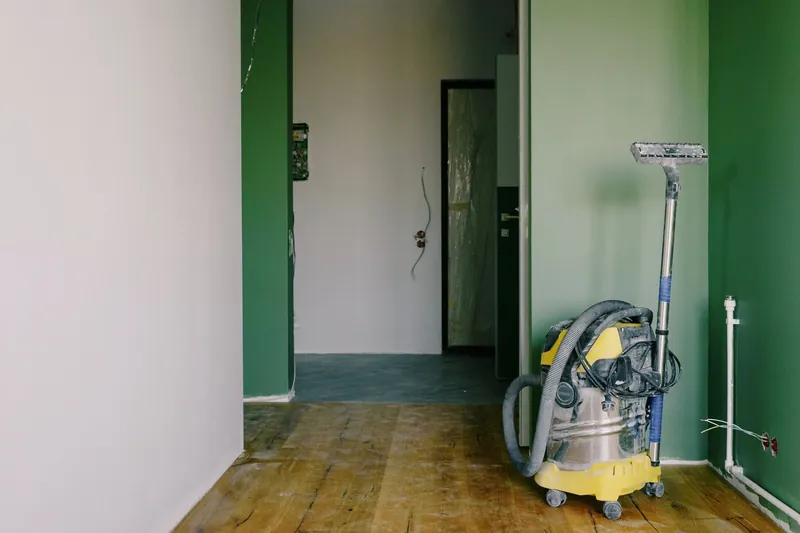
The full meth lab cleanup guide covers what is cleaned or removed, odor and air quality work, and the rules that apply in North Carolina and Mecklenburg County.
Read the full meth lab cleanup guideLocal population patterns, housing and site access may affect how containment and cleanup are planned.
Knowing that Novant Health Presbyterian Medical Center is about 1.3 miles away helps households plan where to seek care before arranging scene cleanup.
The nearby places of Belmont, Lockwood, and Villa Heights give useful orientation when arranging equipment delivery and waste pickup.
The Mecklenburg County location helps orient travel, while the neighborhood and full address identify where private cleanup work actually occurs.
Ask on the call about cleanup options for neighboring communities and ZIP codes.
Rooms, vehicles and exposed surfaces receive decontamination following fentanyl exposure.
See fentanyl decontamination
Removal of needles, pipes and drug residue from rentals and properties.
See drug paraphernalia cleanup
Cleanup of a grow house addresses mold, chemicals and harm caused by indoor cultivation.
See marijuana grow house cleanup
Hazmat cleanup of hazardous materials with the right protective equipment.
See hazmat cleanup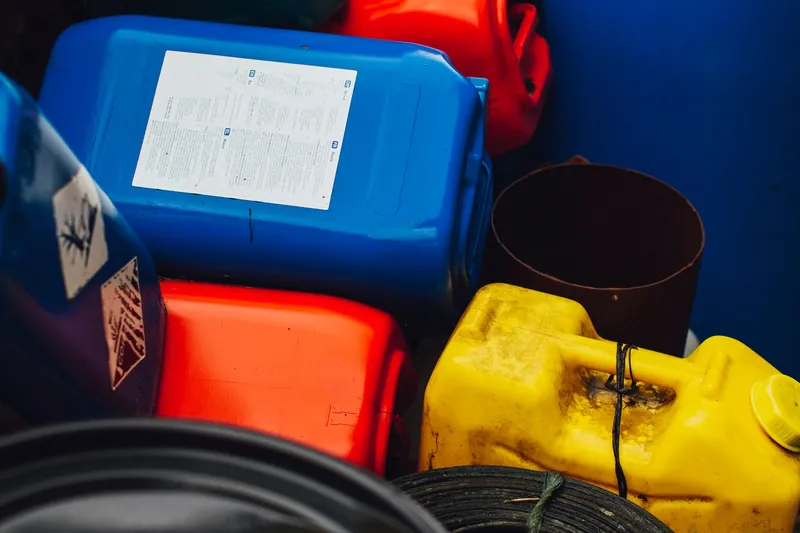
Chemical and toxic waste cleanup and safe disposal.
See chemical and toxic waste cleanup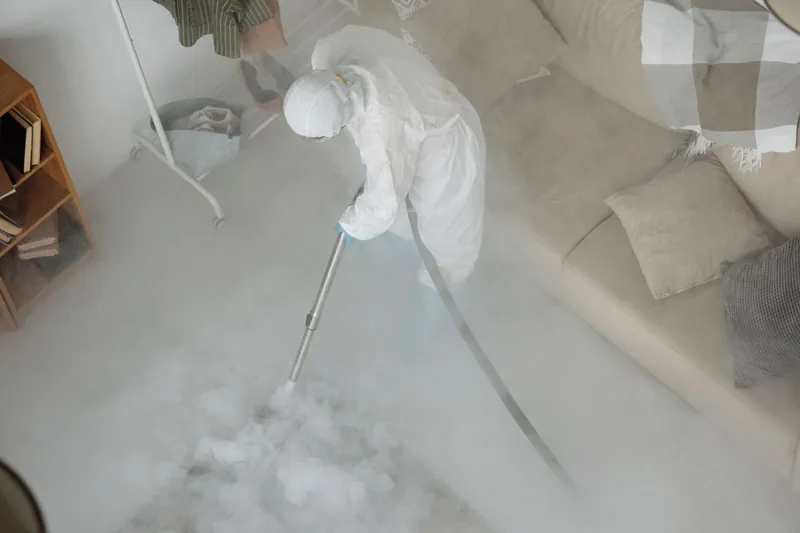
Complete decontamination treats the room, its surfaces and the air after a hazardous or infectious exposure.
See biohazard decontamination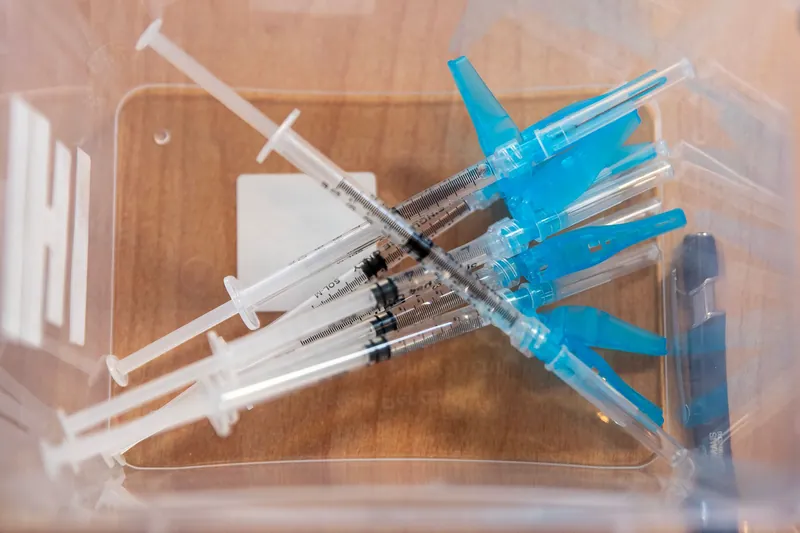
Needle and sharps cleanup for yards, rentals, parks and encampments.
See needle and sharps cleanup
Rental property biohazard cleanup covers hotels and Airbnb units as well as rentals.
See hotel, airbnb and rental biohazard cleanupYou should not judge readiness from how the building looks and smells. Reoccupation should follow the rule that applies locally and the written recommendation of the appropriate environmental or public authority. You gain objective evidence about any need for further decontamination through post-remediation tests.
Bleach is a disinfectant, not a meth clearance test. The amount of residue left is not shown by bleach, and mixing cleaners where unrecognized lab chemicals remain poses a hazard. Choose wall cleaning procedures according to the documented cleanup scope, contamination level, surface finish and local rules.
Whether coverage applies varies with your policy, the cause and exclusions involving contamination, pollution, vacancy or illegal acts. Contact the insurance company with details of the discovery and ask about coverage for clearance sampling, temporary housing, removed materials, testing and remediation.
Drug-making chemicals can sometimes create a harsh smell like solvent, although scent by itself cannot establish residue or clearance. A property can have contamination without a noticeable smell. Get out if you notice strong chemical odor, do not touch any vessels and depend on sampling plus applicable requirements.
A controlled remediation process addresses a meth lab property affected by meth residue or manufacturing chemicals. Cleanup involves assessment, testing, controlled work zones, removal where cleaning is not possible, surface decontamination and final clearance samples under relevant rules.
Testing is worth considering when police identify a former lab, a reliable property record shows drug production, or credible evidence points to repeated meth use. Strong chemical smells, unexplained containers or staining may raise concern, yet a clean appearance and normal odor do not confirm clearance.
You can request respectful, discreet meth lab cleanup 24 hours a day, and crews use unmarked vehicles.